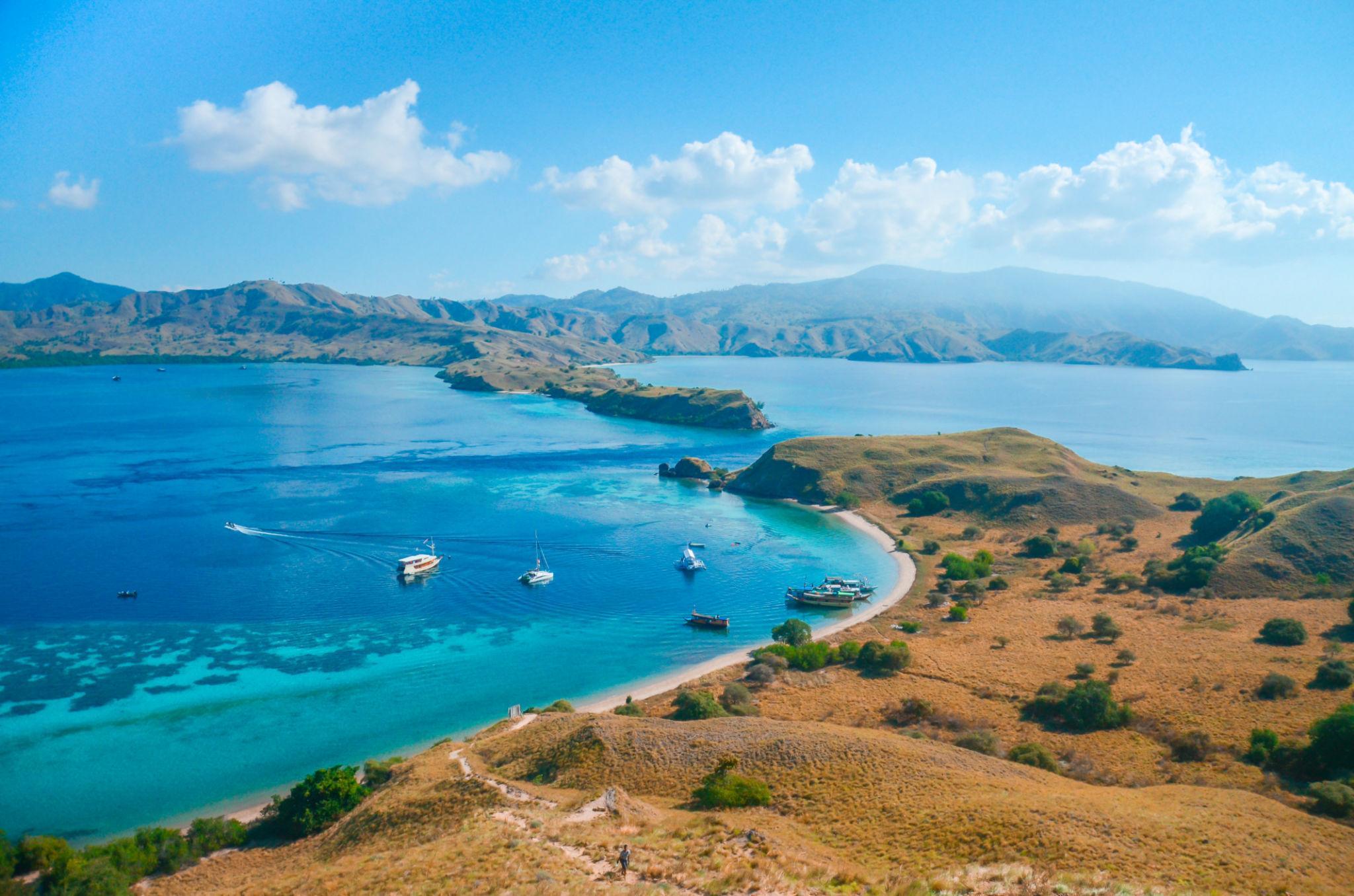
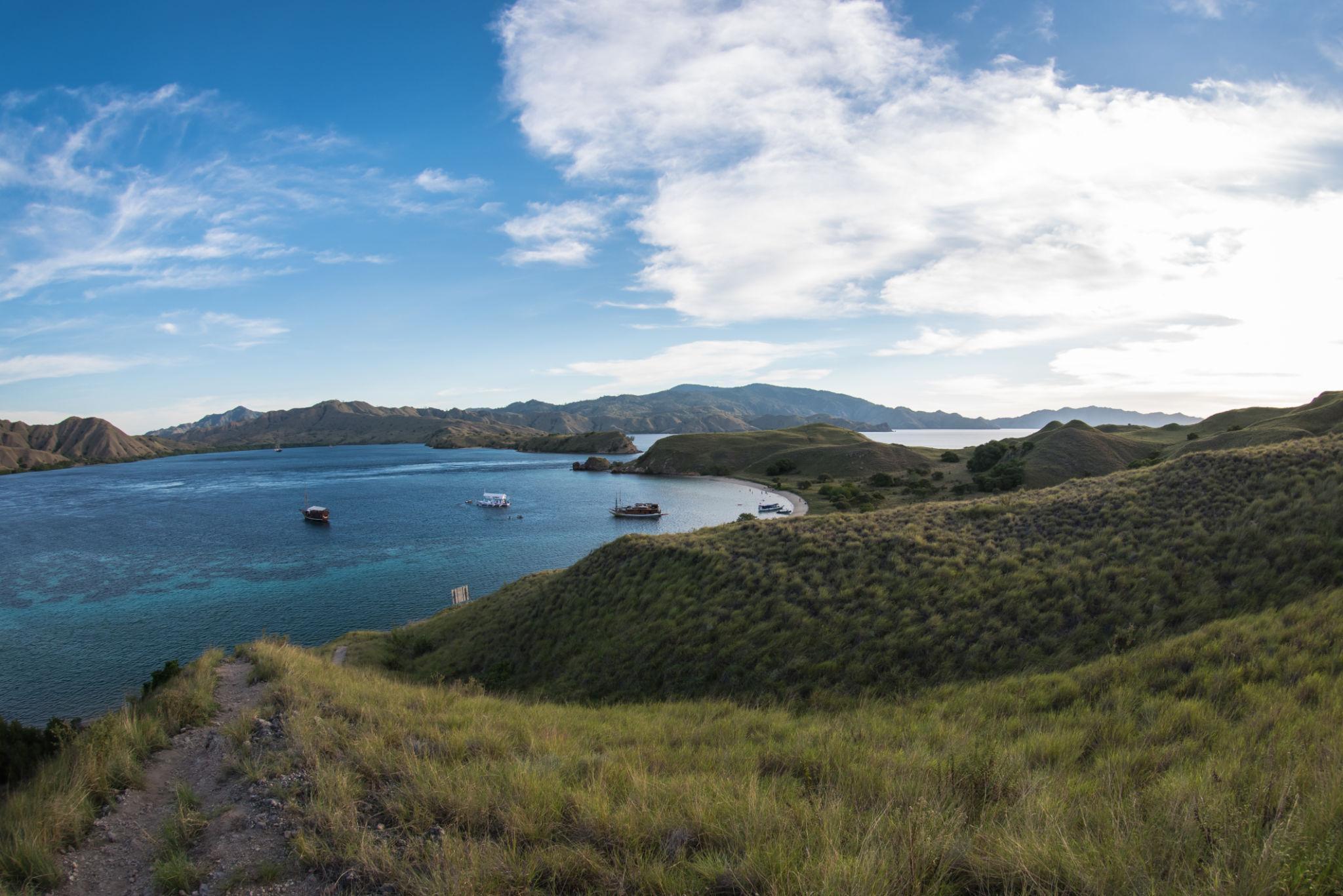
Gili Lawa, also known as Gili Lawa Darat, is an uninhabited island located in the northern part of Komodo National Park. Unlike the southern islands that feature rugged volcanic structures, Gili Lawa is famous for its rolling hills covered in vast savannah grass. The island undergoes a dramatic seasonal transformation, turning lush green during the rainy season and shifting to a striking, golden-brown desert-like landscape during the dry season.
For travelers, Gili Lawa offers an exhilarating island-trekking adventure rewarded by one of the most breathtaking and expansive panoramic views in the entire archipelago.
Best Activities to Do on Gili Lawa
- Conquering the Savannah Ridge Trek: The signature experience here is hiking up the steep, grassy ridges to reach the island's summit. The trek takes about 30–45 minutes along a raw, unpaved trail. Walking through the swaying savannah grass feels like stepping onto an exotic safari, making the journey up just as beautiful as the destination.
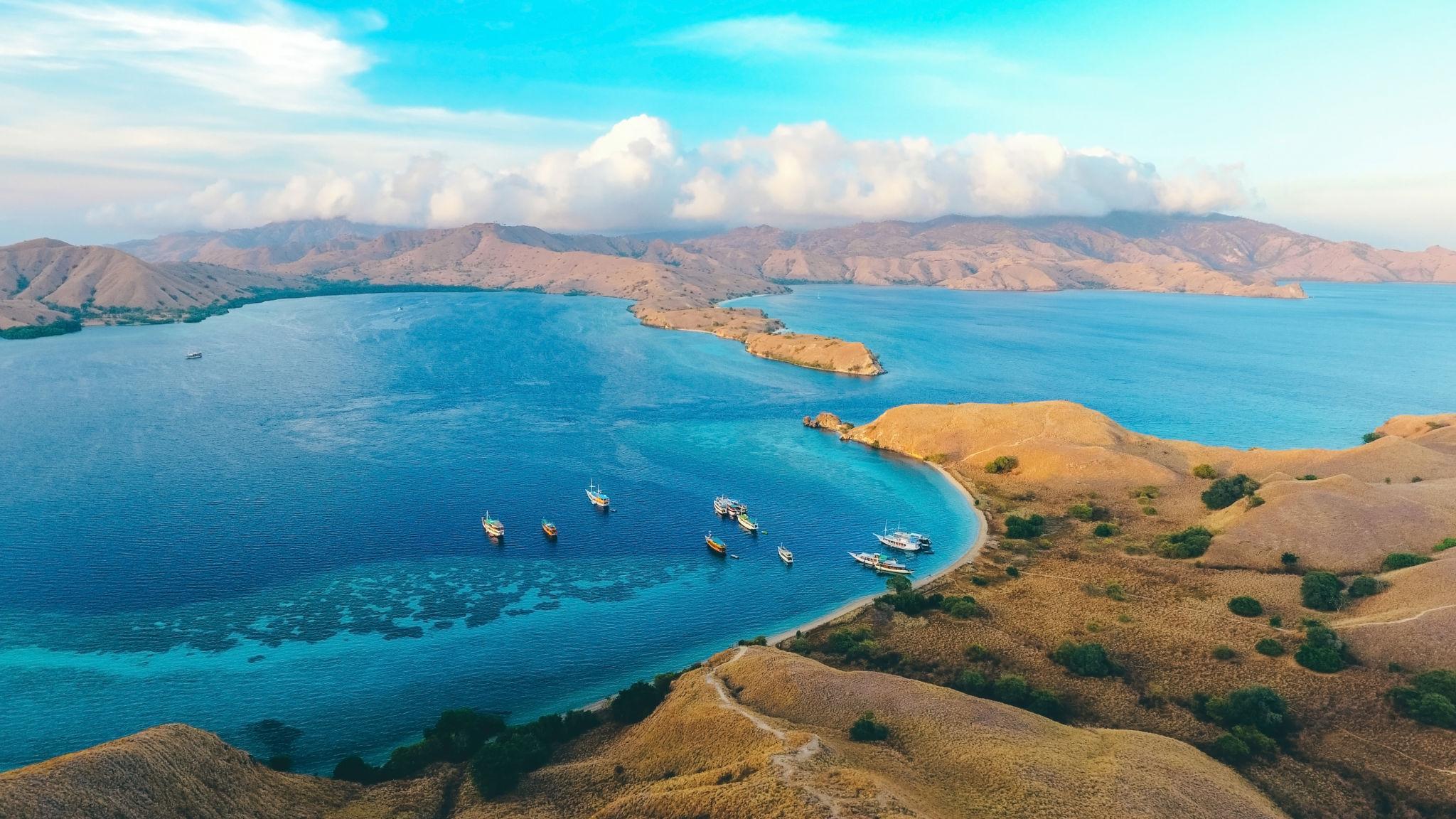
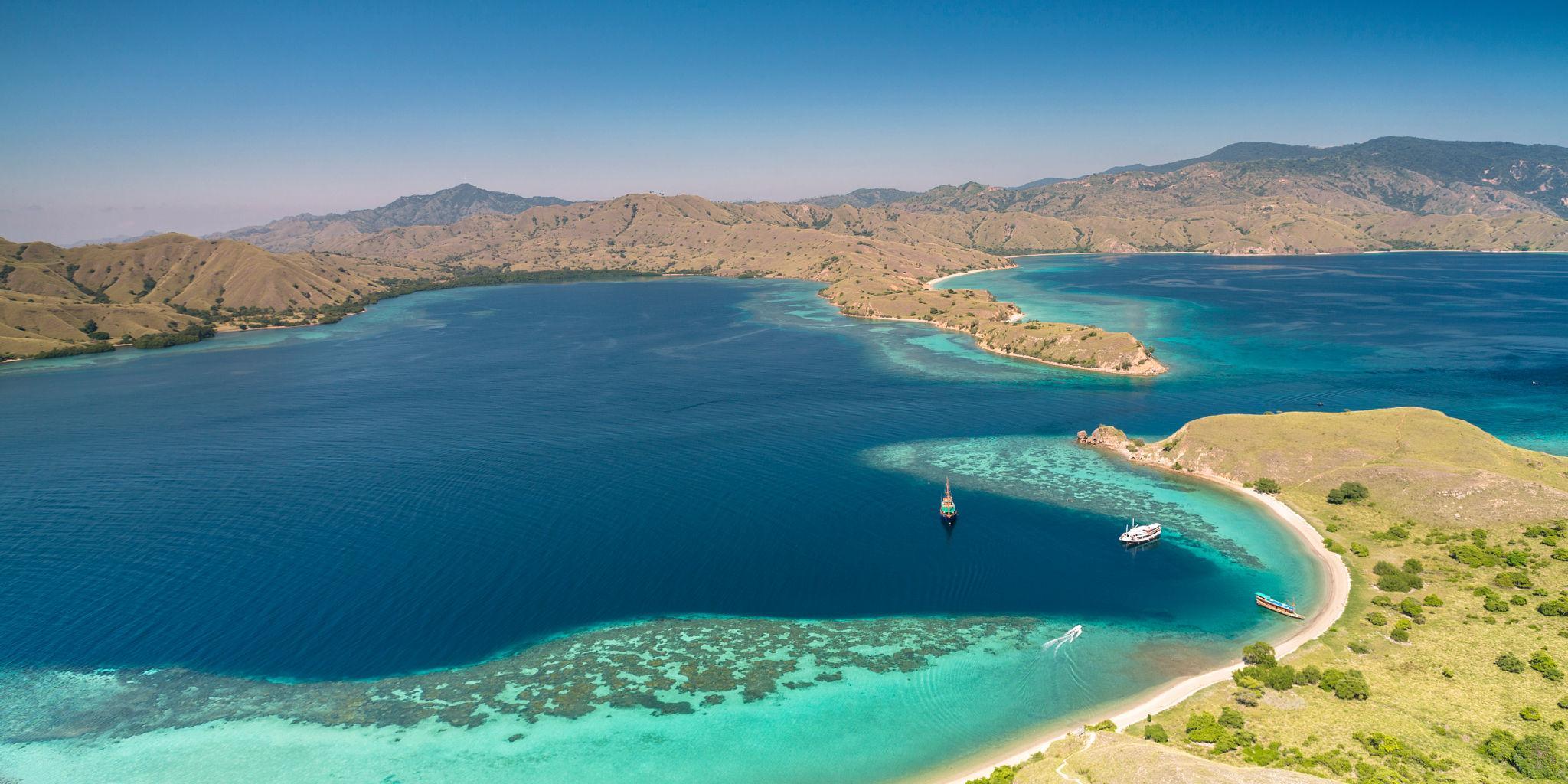
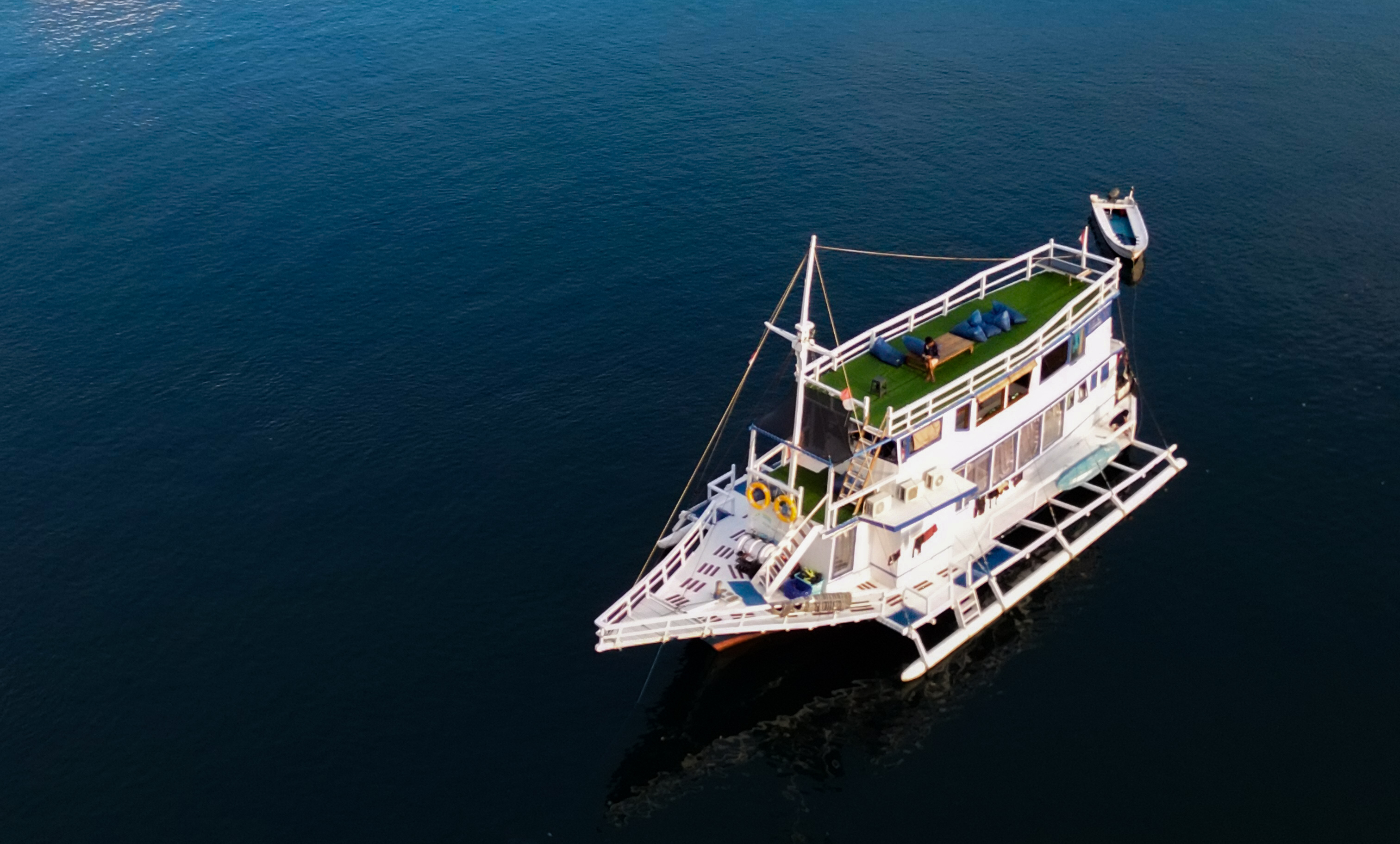
- Beholding the Iconic Bay Panorama: Once you reach the peak, you will be treated to a legendary sweeping view of the Flores Sea. From this vantage point, you can look down at a perfectly curved, deep-blue bay flanked by golden hills, with neighboring islands stretching across the horizon and dive boats gently anchoring below.
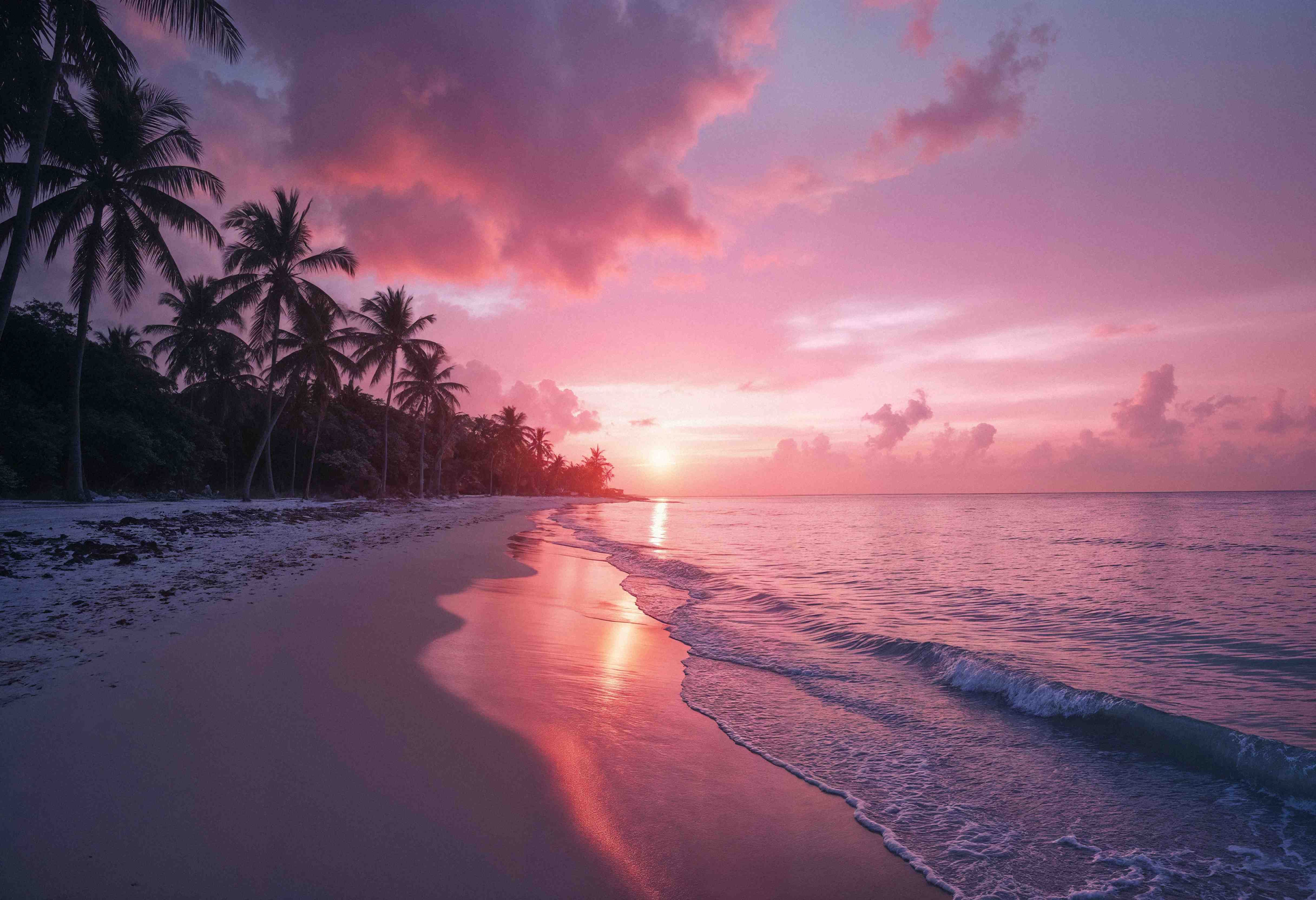
- Chasing the Magical Sunrise or Sunset: Gili Lawa is an extraordinary dual-viewpoint island. Facing east, it offers a spectacular sunrise over the ocean, while facing west provides an epic sunset silhouette. Watching the changing sunlight repaint the vast savannah hills in shades of amber and gold is a photographer's dream.
Additional Tips for Your Travel Content:
- Trekking Preparation: Advise your audience to bring a flashlight or headlamp if they plan to hike for sunrise, and always wear sturdy shoes as the gravel trail can be quite steep and slippery.
- Conservation Notice: Remind travelers that Gili Lawa is a highly protected savanna ecosystem. Visitors must strictly avoid littering and are absolutely prohibited from lighting fires or smoking, as the dry grass is extremely flammable.